
Unlock the healing power of an anti-inflammatory diet with this quick-start guide, enhancing well-being and reducing chronic inflammation effectively.
Inflammation is a biological response of the body's immune system to harmful stimuli such as pathogens, damaged cells, toxic compounds, or irradiation. The main goal of inflammation is to eliminate the initial cause of cell injury, clear out damaged cells and tissues, and establish a repair process. There are two types of inflammation: acute and chronic.
- Acute inflammation is the body's immediate response to an injury or infection. It involves the activation of immune cells, increased blood flow to the affected area, and the release of signaling molecules called cytokines. Symptoms include redness, heat, swelling, and pain. Acute inflammation is generally short-lived and resolves once the underlying cause is addressed.
- Chronic inflammation is a prolonged inflammatory response that can last for months or years. It can result from a persistent infection, ongoing exposure to harmful substances, or an autoimmune disorder where the body mistakenly attacks its own tissues.

Health risks of chronic inflammation
Unlike acute inflammation, chronic inflammation can cause long-term damage to tissues and organs and is associated with various chronic diseases. It contributes to cardiovascular disease by promoting the buildup of plaque in the arteries, which can lead to heart attacks and strokes, and can disrupt insulin signaling, leading to insulin resistance and type 2 diabetes.
Chronic inflammation also creates an environment that fosters cancer development by causing DNA damage and encouraging tumor growth, and the development of diseases such as rheumatoid arthritis, Alzheimer's or Parkinson's, which are related to chronic inflammation in the brain.
Additionally, chronic inflammation in the gastrointestinal tract, as seen in inflammatory bowel disease (IBD), can cause severe discomfort, malnutrition, and increase the risk of colorectal cancer.
Anti-inflammatory foods to include in your diet
To reduce chronic inflammation, it is beneficial to adopt an anti-inflammatory diet. This type of diet emphasizes foods that can help lower inflammation and improve overall health.
Key components include:
1. Fruits and vegetables
Rich in antioxidants, vitamins, and fiber, these foods help combat oxidative stress and reduce inflammation.
2. Healthy fats
Omega-3 fatty acids in fatty fish and healthy fats in nuts and olive oil have potent anti-inflammatory effects.
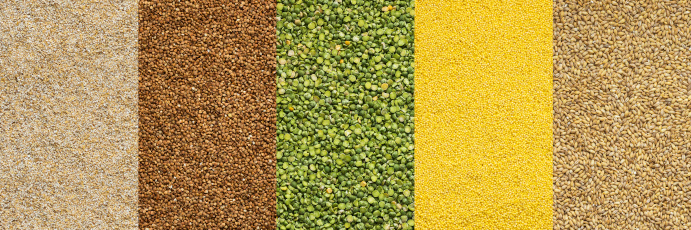
3. Whole grains
Whole grains provide fiber and essential nutrients that help maintain a healthy gut microbiome and reduce inflammation.
4. Leafy greens
Spinach, kale or collards are rich in antioxidants and phytonutrients that help reduce inflammation in the body
5. Lean protein
These sources of protein are lower in saturated fats compared to red and processed meats, and they help in muscle repair and overall body function without promoting inflammation.
6. Herbs and spices
Many herbs and spices, such as turmeric, ginger, garlic, cinnamon, and rosemary, contain compounds that have natural anti-inflammatory properties.
7. Green tea
Known for its high content of antioxidants, particularly catechins, green tea can help reduce inflammation and protect against cellular damage.
8. Legumes
Legumes are rich in fiber, protein, and polyphenols, which help reduce inflammation and support a healthy digestive system.
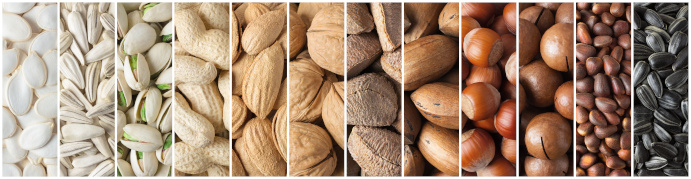
9. Nuts and seeds
These foods are good sources of healthy fats, fiber, and antioxidants, all of which help reduce inflammation and improve heart health.
10. Dark chocolate
Chocolate with a high cocoa content (70% or higher) contains flavonoids, which have anti-inflammatory properties and can contribute to cardiovascular health.
Inflammatory foods you should avoid
Certain foods are known to trigger or exacerbate inflammatory processes, and a diet high in these foods can lead to chronic inflammation. Key components of an inflammatory diet include refined carbohydrates, fried foods, sugary beverages, red and processed meats, trans Fats (margarines, packaged baked goods, and processed snack foods), and alcohol.
Before including these foods in your diet, consult with your regular medical team to ensure that you are free of allergic reactions.
- Log in to post comments