
Discover the top indoor plants to boost your well-being! Learn how greenery can purify air, reduce stress, and enhance your overall health.
Indoor plants have long been cherished for their aesthetic appeal, but recent research has unveiled many health benefits linked to these green companions.
From purifying the air to reducing stress and improving overall well-being, indoor plants are a valuable addition to any home or workspace. Some of the proven indoor plants benefits include:
Improved air quality
One of the most well-documented benefits of indoor plants is their ability to purify the air. Through a process called photosynthesis, plants absorb carbon dioxide and release oxygen, making the air cleaner and more breathable. Additionally, some indoor plants, like snake plants and peace lilies, are excellent at removing common indoor pollutants, such as formaldehyde and benzene, which are emitted by household products and building materials.
Stress reduction
Studies have shown that the presence of indoor plants can reduce stress and anxiety levels. The visual appeal of greenery and the act of caring for plants have a calming effect on the mind. The Japanese practice of "forest bathing" or spending time in nature has inspired the use of indoor plants to create a similar sense of tranquility.
Enhanced productivity
Indoor plants can boost productivity and creativity. Research conducted by the University of Exeter found that employees were 15 % more productive when greenery was introduced to their workspace. The improved air quality and aesthetic appeal of plants can create a more conducive environment for focus and innovation.
Better mental health
According to a study published in the Journal of Physiological Anthropology, interacting with indoor plants can reduce psychological and physiological stress responses. The act of nurturing plants provides a sense of purpose and connection to nature, which can be particularly beneficial for those living in urban environments.
Humidity regulation
Many indoor plants release moisture through a process called transpiration. This natural humidification can help maintain optimal indoor humidity levels, which can be especially beneficial during the dry winter months. Proper humidity levels are essential for respiratory health and can reduce symptoms of dry skin and irritated mucous membranes.
The best indoor plants for your home or office
Snake Plant (Sansevieria trifasciata)
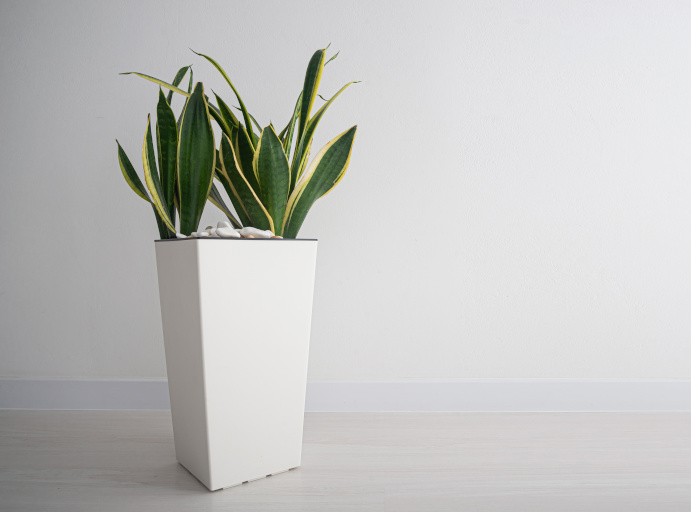
It is an excellent air purifier, removing toxins like formaldehyde and xylene. Snake plants are also known to release oxygen at night, making them a great addition to bedrooms for better sleep quality.
Lavender (Lavandula spp.)

Lavender is famous for its soothing aroma, which can help reduce stress and anxiety. Placing a pot of lavender in your bedroom can promote relaxation and better sleep.
Aloe vera (Aloe barbadensis miller)
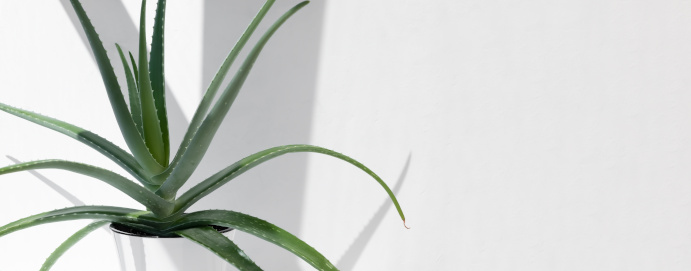
It is not only known for its healing properties for skin conditions but also for its ability to remove formaldehyde and benzene from the air. It's easy to care for and can be used for minor cuts and burns.
Peace lily (Spathiphyllum spp.)

Peace lilies are excellent air purifiers, particularly effective at removing airborne mold spores, and they thrive in low light conditions and can add elegance to any space.
Spider plant (Chlorophytum comosum)
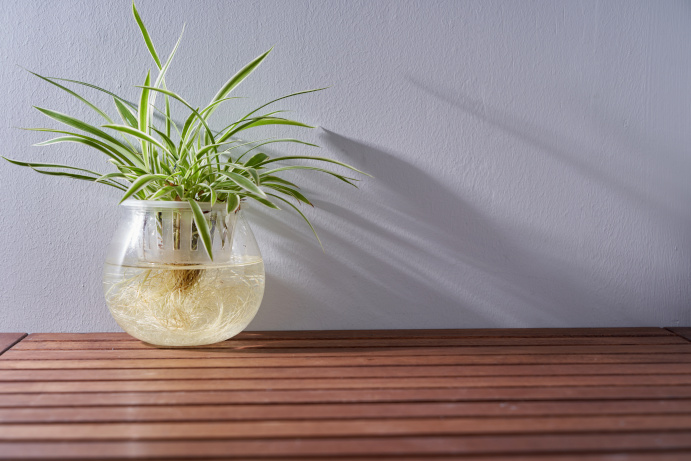
Spider plants are known for their ability to remove pollutants like formaldehyde and xylene. They are easy to grow and maintain, making them a popular choice for beginners.
Jasmine (Jasminum spp.)
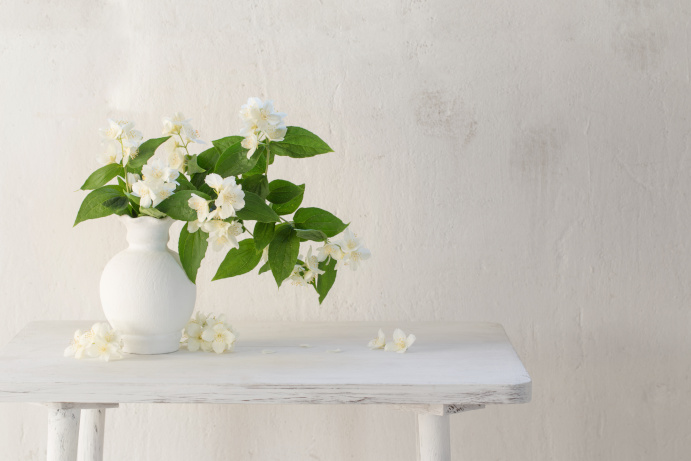
Jasmine not only adds a pleasant fragrance but can also improve sleep quality and alertness. Studies have shown that the scent of jasmine can reduce anxiety and increase cognitive performance.
Plants to avoid indoors
Certain plants, like the oleander and foxglove, are toxic when ingested. That’s why it is important to keep these plants out of reach of pets and children.
Some other plants can also escape their pots and become invasive, disrupting the local ecosystem. Research the plants in your area and avoid introducing invasive species indoors.
Care tips for indoor plants
To ensure the health and longevity of your indoor plants, consider the following care tips:
- Plants have varying light requirements. Research your plant's specific needs and place them in appropriate locations—some thrive in bright, indirect light, while others prefer low light conditions.
- Overwatering is a common mistake. Allow the soil to dry slightly between watering, and always use pots with drainage holes to prevent waterlogged roots.
- Maintain adequate humidity levels, especially for tropical plants. You can use a humidity tray or a humidifier to increase moisture in the air.
- Fertilize plants according to their specific requirements, typically during the growing season (spring and summer).
- Regularly trim dead or yellowing leaves and repot your plants when they outgrow their containers.
- Log in to post comments