
First day at the gym can be daunting: Arm yourself with success using this essential survival guide, ensuring a confident and rewarding start to your fitness journey.
Stepping into the gym for the first time can be both exhilarating and daunting. To ensure a successful and injury-free initiation, it's crucial to arm yourself with the right knowledge and preparations.
This survival guide offers you insights into key considerations and a checklist of essentials.

Understanding your goals.
Before setting foot in the gym, take a moment to clarify your fitness goals. Whether you aim for weight loss, muscle gain, or improved overall health, having a clear objective will guide your workout routine and keep you motivated.
Consultation and medical check-up.
For a seamless start, consider consulting with a fitness professional or trainer. They can help tailor a workout plan suited to your goals and fitness level. Additionally, a medical check-up is advisable to identify any underlying health conditions or limitations.
Choosing the right gym. Selecting the right gym is a critical step in ensuring a positive workout experience. Look for a facility that aligns with your goals, offers a variety of equipment, and has a welcoming atmosphere. Consider its location, cleanliness, and available services like personal training or classes.
Essentials to bring on your first day
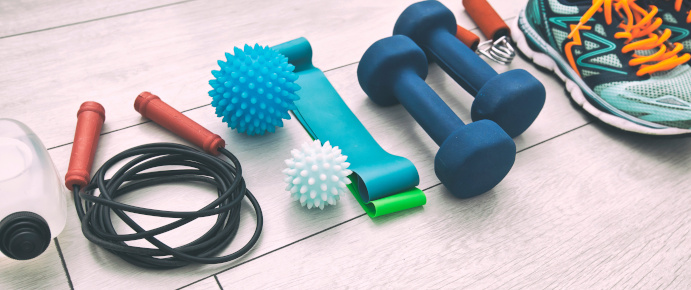
Arriving prepared on your first day can enhance your experience and help you focus on your workout. Here's a checklist of essentials:
- Comfortable workout clothes: Choose breathable, moisture-wicking clothing to keep you comfortable during your workout. Proper footwear with good support is essential.
- Water bottle: Staying hydrated is key. Bring a reusable water bottle to sip on throughout your session.
- Gym towel and bag: Wipe down equipment after use and keep yourself dry. Many gyms require members to bring their own towels for hygiene reasons. Regarding the bag, look for one with compartments to keep things organized.
- Personal hygiene items: Deodorant, face wipes, and any other personal hygiene items to freshen up after your workout.
- Gym gloves: If you plan on lifting weights, consider bringing gym gloves to protect your hands and improve grip.
Starting slow and focusing on form to avoid injuries

As a beginner, resist the temptation to push yourself too hard initially. By incorporating the following preventive measures into your gym routine, you can create a safer workout environment and reduce the likelihood of injuries, allowing you to focus on achieving your fitness goals.
Warm-up
Always start your workout with a proper warm-up. This can include light cardio, dynamic stretches, and movements that mimic the exercises you'll be doing. Warming up increases blood flow to muscles and enhances flexibility, reducing the risk of injury.
Progress gradually
Avoid the temptation to lift heavy weights or push yourself too hard, especially if you're a beginner. Gradually increase the intensity, duration, or weight of your workouts to give your body time to adapt and build strength.
Use proper form
Maintain proper form during exercises. Incorrect form not only reduces the effectiveness of the exercise but also increases the risk of injury. If you're unsure about the correct form, consult a personal trainer to guide you.
Listen to your body
Pay attention to your body's signals. If you experience pain, dizziness, or any unusual symptoms, stop the activity and seek guidance.
Stay hydrated
Proper hydration is essential for overall health and can help prevent muscle cramps and fatigue. Drink water before, during, and after your workout, especially in intense or prolonged sessions.
Rest and recovery
Allow your body adequate time to recover between workouts. Overtraining can lead to fatigue and increase the risk of injuries. Include rest days in your routine and prioritize quality sleep for optimal recovery.
Warm down and stretch
Conclude your workout with a proper cool down, including static stretching. This helps to prevent muscle stiffness and promotes flexibility.
Know your limits
Be realistic about your fitness level and gradually challenge yourself. Pushing beyond your capabilities increases the risk of injury. Listen to your body and avoid unnecessary strain.
- Log in to post comments