
Maintaining a healthy heart is crucial for overall well-being and scientific evidence consistently demonstrates that diet plays a pivotal role in cardiovascular health. Poor dietary choices, such as consuming excessive amounts of saturated and trans fats, refined carbohydrates, and sodium, can contribute to conditions such as hypertension, high cholesterol levels, and inflammation. Conversely, adopting a heart-healthy diet can help reduce the risk of heart disease, stroke, and other cardiovascular conditions.
The Mediterranean diet is widely recognized as one of the best dietary patterns for heart health. It emphasizes whole, unprocessed foods such as fruits, vegetables, whole grains, legumes, nuts, and seeds. The diet is also rich in heart-healthy fats, primarily from olive oil and fish, which provide omega-3 fatty acids.
Additionally, the Mediterranean diet incorporates moderate consumption of poultry, eggs, and dairy products, while limiting red meat and sugary foods. The Mediterranean diet's rich nutrient profile is attributed to its abundance of antioxidants, fiber, omega-3 fatty acids, and other heart-protective compounds.
Studies consistently demonstrate that adherence to this dietary pattern is associated with a reduced risk of heart disease and stroke. A research study published in the New England Journal of Medicine that evaluated the effects of different dietary patterns on heart health, concluded that a Mediterranean-style diet significantly reduces the risk of major cardiovascular events when compared to a low-fat diet. This study emphasized the importance of overall dietary quality rather than focusing solely on individual nutrients.
Foods to include for heart health
Fatty fish
Rich in omega-3 fatty acids, fatty fish like salmon, mackerel, and sardines can help lower inflammation and reduce the risk of heart disease.
Colorful fruits and vegetables
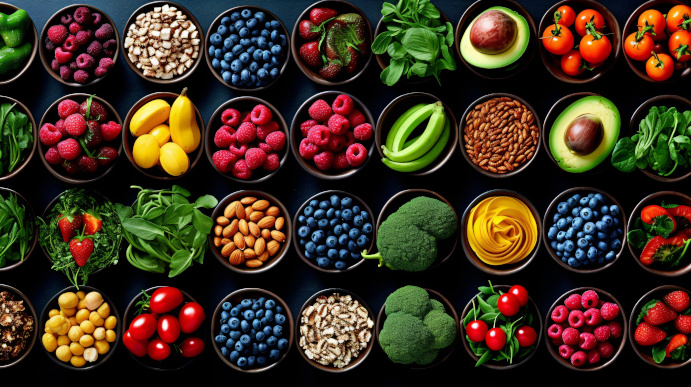
These provide an abundance of antioxidants, vitamins, minerals, and dietary fiber, promoting heart health. Berries, leafy greens, citrus fruits, and cruciferous vegetables are particularly beneficial.
Whole grains
Choose whole grains like quinoa, brown rice, whole wheat bread, and oats, as they are high in fiber and can help maintain healthy cholesterol levels.
Legumes
Beans, lentils, and chickpeas are excellent sources of plant-based protein, fiber, and other nutrients that promote heart health.
Nuts and seeds
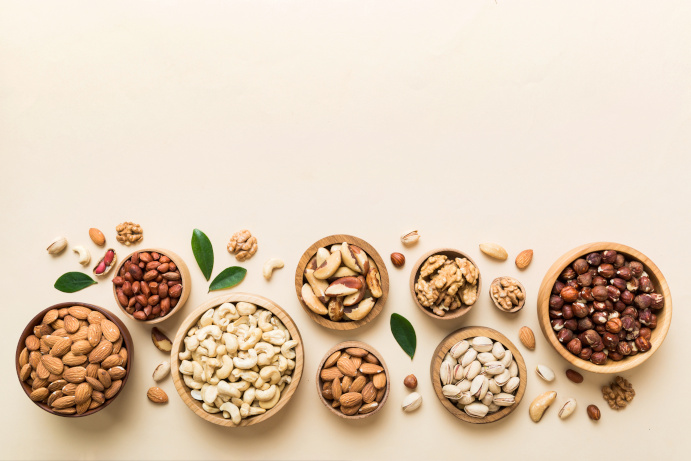
Walnuts, almonds, flaxseeds, and chia seeds are rich in heart-healthy fats, fiber, and antioxidants.
Foods to avoid for heart health
- Limit intake of foods high in saturated and trans fats, such as fatty meats, full-fat dairy products, fried foods, and commercially baked goods.
- Reduce consumption of high-sodium foods like processed snacks, canned soups, and fast food, as it contributes to hypertension.
- Limit foods and beverages with added sugars like sugary drinks, desserts, and processed snacks, as they can contribute to obesity and diabetes, increasing the risk of heart disease.
Are eggs good for the heart?
Eggs have been a subject of debate regarding their impact on heart health due to their cholesterol content. In the past, it was believed that consuming foods high in dietary cholesterol, such as eggs, could raise blood cholesterol levels and increase the risk of heart disease. However, more recent research has challenged this belief.
Current evidence suggests that for most people, dietary cholesterol has a minimal impact on blood cholesterol levels. The primary factor affecting blood cholesterol is the consumption of saturated and trans fats, rather than dietary cholesterol itself. While eggs do contain cholesterol, they are relatively low in saturated fat.
Additionally, eggs offer several nutritional benefits that can be beneficial for heart health. They are an excellent source of high-quality protein, vitamins (such as B vitamins) and minerals (including selenium). Eggs also provide lutein and zeaxanthin, which are antioxidants associated with a reduced risk of age-related macular degeneration.
However, it's important to note that individual responses to dietary cholesterol can vary. Some individuals may be more sensitive to dietary cholesterol and may experience a rise in blood cholesterol levels after consuming foods like eggs. If you have a preexisting medical condition, such as diabetes or heart disease, or if you have specific dietary restrictions, it's advisable to consult with a healthcare professional or a registered dietitian for personalized dietary advice.
- Log in to post comments