
Vitamin supplements are a popular way to ensure that the body is getting the essential nutrients and vitamins it needs to remain healthy and vital. But are they really necessary? Can they be harmful to health? In this article, we'll explore the pros and cons of taking vitamin supplements and help you decide if they are right for you.
Vitamin supplements are dietary supplements that contain vitamins, minerals, and other substances that are essential for proper health and development. They come in many forms, including tablets, capsules, and liquids, and are available over the counter or by prescription. Depending on the type of supplement, they can provide extra energy, help support healthy bones, and boost immunity.
In general, a balanced diet should include all the vitamins and minerals your body needs, so a healthy person should not need to take vitamin supplements. However, there are certain situations in which taking vitamin supplements may be beneficial:
- People with dietary restrictions, such as vegetarians and vegans, who may not be getting enough essential nutrients from their diet.
- Pregnant or breastfeeding women, who may need additional nutrients to support the growth and development of their baby.
- People with specific medical conditions, such as diabetes, Crohn's disease, anemia, or osteoporosis.
- People over 50, who may need additional vitamins and minerals due to age-related changes in the body.
Can vitamin supplements be harmful to health?
While vitamin supplements can be beneficial, it is important to remember that they are not a substitute for a healthy diet. Taking too many of them can actually be harmful to your health.
For example, taking too much vitamin A can cause toxicity and liver damage. Similarly, taking too much iron can lead to an increased risk of heart disease and other health problems.
It is also important to talk to your doctor or a qualified healthcare professional before taking any vitamin supplements, as they can interact with other medications or medical conditions.
Potential risks of taking vitamin supplements
1. Overdose
Taking too much of a vitamin supplement can lead to an overdose, which can cause serious side effects, such as nausea, vomiting, diarrhea, dizziness, or kidney damage.
2. Interactions with medications
Certain vitamin supplements can interact with medications, either decreasing or increasing their effect. It’s important to talk to your doctor before taking any vitamin supplement if you are taking any other medications.
3. Unregulated quality
Not all vitamin supplements are created equal. Some may contain ingredients that are not listed on the label or may be contaminated with heavy metals or other substances. Make sure the supplements you take are of good quality and examine the labels. If ever you're in doubt, ask your doctor or pharmacist to recommend you a high-quality supplement.
4. Toxic levels
Make sure to follow the recommended dosage. Taking higher than recommended doses will not improve the results and, on the contrary, can harm your health.
Can synthetic vitamin supplements cause certain diseases?
There is no direct evidence that synthetic food supplements are the cause of any specific disease. However, some studies have found a link between the consumption of some synthetic dietary supplements and an increased risk of certain chronic diseases such as cardiovascular disease.
A study published in the scientific journal JAMA Internal Medicine found that some vitamin and mineral supplements commonly used by the population were linked to an increased risk of mortality. These include iron supplements, synthetic multivitamins, B vitamins, folic acid, magnesium, zinc, and copper.
Therefore, talk to your doctor before taking any synthetic dietary supplement to ensure they don’t interact with other medications or medical conditions.
How to get the vitamins and minerals you need from food
The best way to get the nutrients you need to be healthy is through a varied and balanced diet, which must include food high in vitamins and minerals. Here are some recommendations:
Dark leafy greens

Spinach, kale, and collard greens are rich in vitamins A, C, E, and K, as well as minerals like iron, calcium, and magnesium.
Fish
Salmon and tuna are packed with omega-3 fatty acids, vitamins D and B12, zinc and iron.
Cruciferous vegetables
Broccoli, cauliflower, Brussels sprouts, and other cruciferous vegetables are high in vitamins A, C, and K, potassium, calcium, and magnesium.
Fruits
Strawberries, blueberries and raspberries are high in vitamins C and K, as well as antioxidants. Oranges, lemons, and limes are rich in vitamin C and antioxidants, and avocados are a great source of healthy fats, as well as vitamins E and K, potassium, and magnesium.
Nuts and seeds
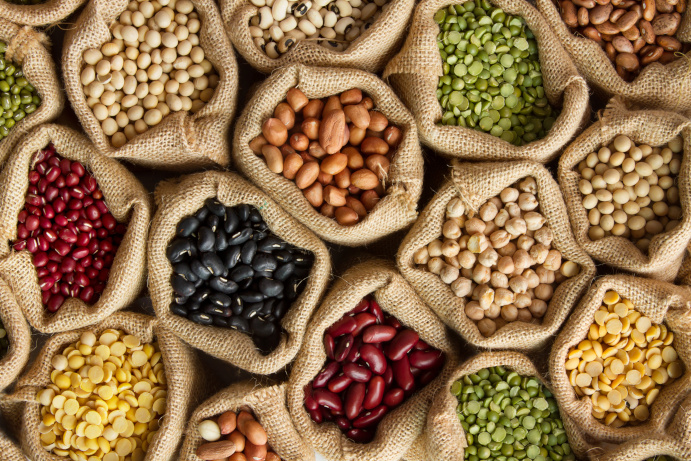
Almonds, walnuts, flaxseeds, and other nuts and seeds are rich in healthy fats, vitamins E and B, zinc, iron, and magnesium.
Legumes
Beans and lentils are high in fiber, as well as vitamins and minerals like iron and magnesium.
Whole grains
Oats, quinoa, and other whole grains are packed with fiber, vitamins B and E, zinc, and selenium.
Dairy products
Milk, yogurt, and cheese are rich in calcium, as well as vitamins A and D.
- Log in to post comments