
Discover the wellness potential of kombucha! Explore its gut-friendly probiotics, antioxidants, and detoxifying properties for optimal health.
Kombucha's origin and journey through history are as intriguing as the beverage itself. With roots dating back thousands of years, this fermented tea has traversed continents, cultures, and centuries, evolving from a revered elixir of vitality to a beloved health drink in the modern age.
The exact origin of kombucha is cloaked in legend and mystery, but its story is believed to have begun in ancient China during the Tsin Dynasty around 221 BC. Referred to as the "Tea of immortality”, kombucha was revered for its healthy properties and was said to bestow vitality and longevity upon those who consumed it. From China, the beverage embarked on a long journey along the ancient Silk Road, spreading to Japan, Russia, and Europe.

Throughout history, kombucha has been known by various names and cultural interpretations. In Japan, it was called "kombu-cha," derived from the word "kombu," meaning seaweed, which resembled the shape of the SCOBY (symbiotic culture of bacteria and yeast). In Russia, it was known as "tea kvass" or "chayny kvass," while in Europe, it was simply referred to as "kombucha."
Despite its long-standing presence in traditional medicine and folklore, kombucha remained relatively obscure in the Western world until recent decades. The resurgence of interest in natural health remedies, artisanal food and beverage craft, and the growing popularity of probiotics and fermented foods have propelled kombucha into the spotlight.
Ingredients and preparation
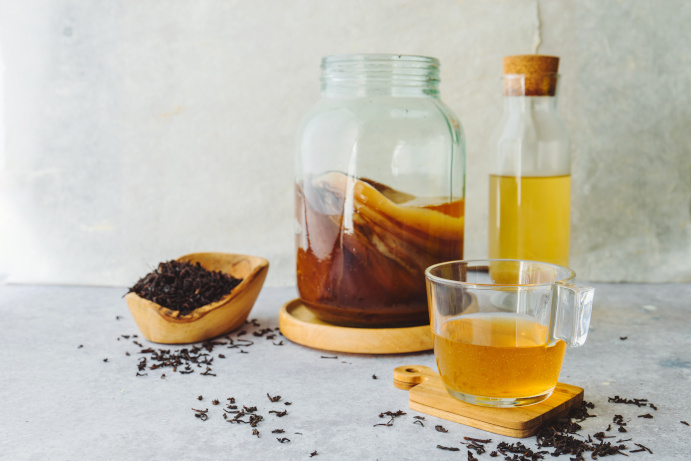
Kombucha is a fermented tea beverage, crafted from a blend of tea, sugar, water, and a symbiotic culture of bacteria and yeast (SCOBY).
The process begins by steeping tea leaves in hot water, followed by the addition of sugar to fuel fermentation. Once cooled, the tea is inoculated with the SCOBY, which initiates the fermentation process.

Over the course of several days to weeks, the SCOBY metabolizes the sugar, producing a tangy effervescent brew rich in probiotics, organic acids, and enzymes.
What are the benefits of drinking kombucha?
Gut-health connection
Packed with probiotics—live microorganisms that confer health benefits when consumed—kombucha promotes the growth of beneficial gut bacteria, maintaining a balanced microbiome crucial for optimal digestion, nutrient absorption, and immune function. Regular consumption of kombucha can help alleviate digestive issues such as bloating, gas, and constipation, fostering a harmonious relationship between gut and body.
A boost for immunity
Through fermentation, kombucha generates organic acids like acetic acid and gluconic acid, along with antioxidants, which have antimicrobial properties and bolster immune defenses. By combating harmful pathogens and oxidative stress, kombucha increases the body's natural defenses, reducing the risk of infections and promoting overall wellness.
Detoxification and antioxidant support
Laden with antioxidants such as polyphenols, vitamins C and E, and catechins, kombucha scavenges harmful free radicals, neutralizing oxidative stress and mitigating cellular damage. This antioxidant prowess not only supports detoxification pathways but also promotes radiant skin, cardiovascular health, and longevity.
Balancing blood sugar and weight management
Studies suggest that kombucha may help stabilize blood sugar levels and improve insulin sensitivity, reducing the risk of diabetes and promoting metabolic health. Furthermore, kombucha's modest calorie content and potential appetite-suppressing effects make it a refreshing alternative to sugary beverages, supporting weight loss and healthy lifestyle goals.
Is Kombucha safe for everyone to drink?
While kombucha is generally considered safe for most people, there are certain considerations to keep in mind, particularly for individuals with specific health conditions or vulnerabilities.
For example, those with compromised immune systems, such as patients undergoing chemotherapy or with HIV/AIDS, may be at risk of infection from consuming unpasteurized or home-brewed kombucha.
Additionally, pregnant, or breastfeeding women are advised to exercise caution due to the potential for alcohol content and variability in fermentation levels. Those with a history of alcoholism or liver disease should also approach kombucha consumption with care, as the fermentation process can produce trace amounts of alcohol.
Furthermore, individuals with sensitivities to caffeine, sugar, or certain components of kombucha may experience adverse reactions and should moderate their intake accordingly.
As with any dietary or lifestyle choice, it's advisable to consult with a healthcare professional before incorporating kombucha into your routine, especially if you have any health concerns or are taking medications that may interact with its components.
- Log in to post comments