
Mandala coloring and meditation both foster mindfulness, focus, and relaxation, promoting emotional wellbeing through creative engagement.
Mandala coloring has gained popularity in recent years as a soothing and therapeutic activity. This practice, deeply rooted in ancient traditions, shares a unique connection with meditation, offering profound benefits for mental and emotional wellbeing. But what exactly is a mandala, and why is it intertwined with the concept of meditation?
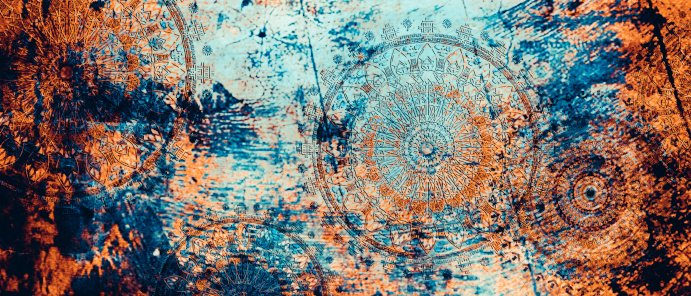
The word mandala comes from the ancient Indian language of Sanskrit, meaning “circle”. A mandala is a geometric configuration of symbols, often arranged in a circular design, which can be simple or intricate. These designs are found in various cultures around the world, but they hold significant spiritual and ritual importance in Hinduism and Buddhism.

Tibetan monks use sand mandalas in their spiritual practices, meticulously creating intricate patterns to symbolize the impermanence of life. After completion, the mandala is ceremonially destroyed, emphasizing the Buddhist teaching of non-attachment and the transient nature of material existence.
How mandala art is related to meditation?
The relationship between mandala painting and meditation is profound, as both practices aim to cultivate mindfulness, concentration, and a sense of inner peace. In traditional meditation, practitioners focus their minds on a specific object, thought, or activity to achieve mental clarity and emotional calm. This focus can be directed towards the breath, a mantra, or a visualization, helping to quiet the mind and bring about a state of centeredness.
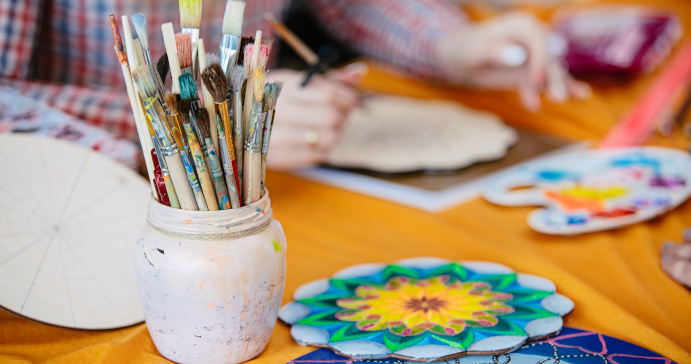
Mandala painting, in a similar vein, requires a significant level of concentration and focus. The intricate patterns and detailed designs of mandalas demand attention, guiding the individual to immerse themselves fully in the process. This immersion helps to quiet the mind, similar to how meditation does, by drawing attention away from external distractions and internal chatter. As the individual becomes absorbed in the creation or coloring of a mandala, they often enter a meditative state, characterized by a calm and focused mind.
6 mandala coloring benefits
1. Stress reduction
Creating or coloring mandalas can significantly reduce stress. The repetitive patterns and symmetrical designs provide a structured activity that can divert the mind from stressors and promote relaxation. This process activates the parasympathetic nervous system, which helps lower cortisol levels, the hormone linked with stress.
2. Mindfulness and presence
Mandalas encourage mindfulness, a state of active, open attention to the present. When individuals focus on the patterns and colors of a mandala, they practice being fully present in the moment. This mindful activity can improve mental clarity and reduce the mind's tendency to dwell on past events or future worries, contributing to better mental health.
3. Emotional expression
Art, including mandala creation, offers a safe and creative outlet for expressing emotions. By choosing colors and patterns, individuals can convey feelings that might be difficult to articulate verbally. This form of self-expression can help in processing emotions and reducing anxiety.
4. Enhanced focus and concentration
Engaging with mandala art requires concentration and attention to detail, which can enhance cognitive functions such as focus and concentration. This aspect of the activity can be particularly beneficial for individuals having trouble concentrating due to stress or anxiety.
5. Therapeutic value
Therapists often use mandalas as a tool to help patients explore their subconscious thoughts and emotions. The structured nature of mandalas can provide a sense of order and stability, which is comforting and grounding.
6. Creative stimulation
Creating or coloring mandalas stimulates creativity, which is linked to increased problem-solving skills and cognitive flexibility. Engaging in creative activities can lead to the release of neurotransmitters like dopamine, which play a key role in enhancing mood and overall mental health.
- Log in to post comments