
Gratitude has a transformative power: find out how it boosts well-being and fosters a positive mindset. Embrace gratitude for a happier, healthier life.
Gratitude, once relegated to polite gestures, is now recognized as a powerful catalyst for well-being. As scientific research delves deeper into its mechanisms, gratitude emerges as a dynamic force that positively influences both mental and physical health.
Integrating gratitude into our lives is not merely a choice; it is a proactive step toward a healthier, happier, and more fulfilling existence. By understanding and harnessing the transformative power of gratitude, individuals can unlock the secrets to optimal well-being and embark on a journey toward sustained joy.

Benefits of practicing gratitude on health and well-being
Reduces depression and anxiety. Studies have shown that individuals who regularly engage in gratitude practices experience a decrease in symptoms associated with depression and anxiety. Expressing gratitude can act as a natural antidepressant, fostering a positive outlook on life.
Improves emotional regulation. By focusing on positive aspects, individuals can better navigate challenging situations, reducing stress and promoting emotional resilience.
Lowers blood pressure. The positive emotions linked to gratitude have a calming effect on the nervous system, leading to improved cardiovascular health.
Boosts immune system. Grateful individuals have been found to exhibit a stronger immune system to fight off illnesses and infections.
Improves sleep quality. Reflecting on positive experiences and expressing gratitude before bedtime can promote relaxation and contribute to a more restful night's sleep.
Increases life satisfaction. When individuals focus on the positive aspects of their lives, they report higher levels of contentment and a greater sense of fulfillment.
Positive impact on brain function. Neuroscientific studies have shown that practicing gratitude can lead to changes in brain structure and function. Areas associated with reward, empathy, and emotional regulation show increased activity, contributing to an overall positive mental state.
Longevity and aging well. Gratitude is linked to a more positive attitude toward aging, contributing to overall well-being in later life.
Tips for cultivating gratitude

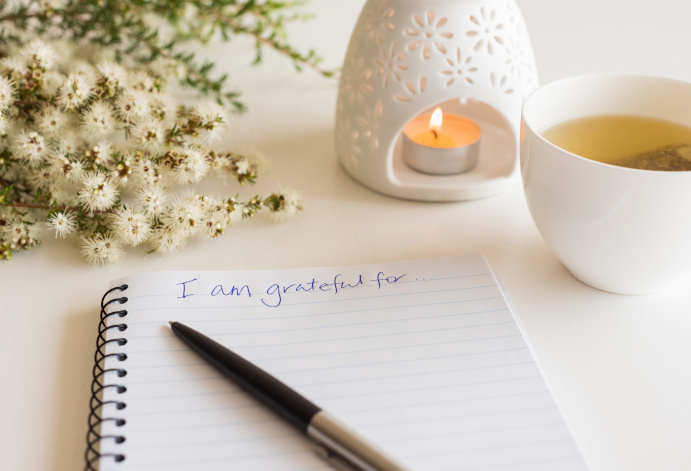
1. Gratitude journaling
Set aside a few minutes each day to write down things you are grateful for. Reflect on both significant and small moments, emphasizing the positive aspects of your life.
2. Express your thanks
Take the time to verbally express your gratitude to others. Whether through a simple "thank you" or a more heartfelt message, acknowledging the contributions of those around you can enhance your sense of connection and appreciation.
3. Mindful appreciation
Practice mindfulness by savoring and appreciating the small moments in your daily life. Being fully present allows you to recognize and be grateful for the richness of these experiences.
4. Gratitude rituals
Establish regular gratitude rituals, such as starting or ending your day with a moment of reflection. This could involve a gratitude meditation, writing thank-you notes, or simply pausing to appreciate the positives in your life.
5. Shift perspective
In challenging situations, consciously shift your perspective to focus on what you can be grateful for. This doesn't negate difficulties but helps you approach them with a more positive and resilient mindset.

6. Gratitude meditation
Incorporate gratitude into your meditation practice. Focus your meditation on feelings of gratitude, directing your thoughts toward the people, experiences, and aspects of your life that bring you joy.
7. Practice thankfulness in adversity
This practice can enhance your resilience and help you navigate difficulties with a more optimistic mindset.
8. Share gratitude at meals
Make expressing gratitude a part of your mealtime routine. Before eating, take a moment to reflect on and share something you are thankful for with those you are dining with.
9. Volunteer or give back
Engage in acts of kindness and generosity. Volunteering or helping others can provide a sense of purpose and deepen your appreciation for the positive aspects of your own life.
10. Create a gratitude collage
Compile a visual representation of things you are grateful for by creating a gratitude collage. Use images, quotes, and symbols to remind yourself of the positive elements in your life.
- Log in to post comments