
From boosting immunity to enhancing brain function, discover the extraordinary potential of superfoods that can transform your health and vitality.
In today's health-conscious world, the term "superfoods" has gained substantial popularity. These remarkable dietary powers have captured the attention of nutritionists and health enthusiasts alike. But what are exactly superfoods, and what makes them so exceptional?
Understanding superfoods
Superfoods refer to a group of natural, whole foods that are packed with an abundance of essential nutrients, antioxidants, vitamins, and minerals. These foods offer exceptional health benefits beyond their basic nutritional value. They are often hailed for their potential to enhance overall health, prevent chronic diseases, boost immunity, and promote longevity.
Additionally, superfoods have often anti-inflammatory properties, support gut health, and contribute to maintaining a balanced metabolism. They are typically minimally processed and free from additives, making them a wholesome and natural choice for nourishment.
Health benefits of superfoods
Enhance heart health
Numerous studies have linked superfoods such as berries, fatty fish, and nuts to a reduced risk of cardiovascular diseases. For instance, a study published in the Journal of the American Heart Association found that eating blueberries and strawberries was regularly associated with a lower risk of heart attacks.
Improve brain function
Fatty fish (rich in omega-3 fatty acids) and dark leafy greens (abundant in antioxidants and vitamins) have been shown to support cognitive health and reduce the risk of age-related mental decline. A study published in the Annals of the New York Academy of Sciences highlighted the neuroprotective properties of fatty fish and their potential in reducing the risk of cognitive decline.
Strengthen immune system
Superfoods such as citrus fruits, garlic, and ginger are known for their immune-boosting properties. They provide essential vitamins and minerals that support the body's defense against infections and diseases.
Weight management
Chia seeds, avocados, and quinoa, are excellent sources of dietary fiber and healthy fats, which can promote feelings of satiety and aid in weight management.
Cancer prevention: Some superfoods, like cruciferous vegetables (broccoli, kale, cauliflower), berries, and green tea, contain potent antioxidants and phytochemicals that have been associated with a reduced risk of certain cancers.
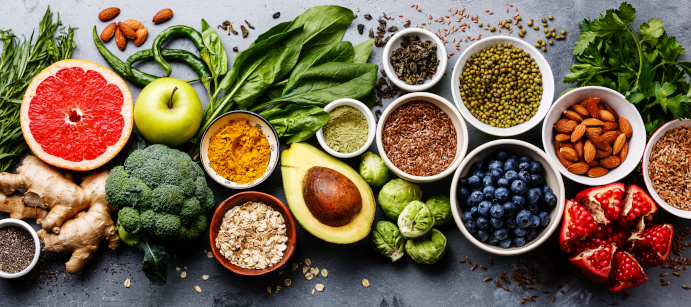
The top 10 superfoods
1. Blueberries
These tiny berries are bursting with antioxidants and phytochemicals that help combat free radicals, reduce inflammation, and support cognitive function. Blueberries also promote heart health and aid in improving memory and overall brain health.
2. Salmon
A fatty fish rich in omega-3 fatty acids, salmon offers a myriad of benefits. Omega-3 fatty acids support heart health, reduce inflammation, boost brain function, and contribute to healthy skin. Regular consumption of salmon may also lower the risk of chronic conditions such as heart disease and arthritis.
3. Spinach
This leafy green is a powerhouse of nutrients, including vitamins A, C, and K, as well as folate, iron, and calcium. Spinach is known to strengthen bones, promote healthy eyesight, improve digestion, and enhance overall immunity.
4. Quinoa
Considered a complete protein, quinoa is an excellent choice for vegetarians and vegans. It is rich in essential amino acids, fiber, iron, and magnesium. Quinoa helps regulate blood sugar levels, supports digestion, and contributes to muscle recovery. Its gluten-free nature makes it suitable for individuals with gluten intolerance.
5. Kale
Kale is a nutrient-dense cruciferous vegetable packed with vitamins A, C, and K, as well as fiber, calcium, and antioxidants. Regular consumption of kale can boost the immune system, improve bone health, support vision, and aid in detoxification. Its versatility allows it to be incorporated into salads, smoothies, or sautéed dishes.
6. Chia seeds
These tiny seeds are an excellent source of omega-3 fatty acids, fiber, and plant-based protein. Chia seeds help stabilize blood sugar levels, promote satiety, and support digestive health. They can be added to smoothies, yogurts, or used as an egg substitute in baking recipes.
7. Avocado
Known for its healthy monounsaturated fats, avocados are a delicious and versatile superfood. They contain fiber, vitamins E, C, and K, and folate. Avocados support heart health, enhance nutrient absorption, promote healthy skin, and provide satiety. Incorporate them into salads, sandwiches, or enjoy them as guacamole.
8. Turmeric
This vibrant yellow spice has gained popularity for its powerful anti-inflammatory and antioxidant properties. Turmeric contains curcumin, which may help alleviate symptoms of arthritis, boost brain function, support heart health, and contribute to overall well-being. Add turmeric to curries, smoothies, or warm beverages for its health benefits.
9. Greek yogurt
Compared to regular yogurt, Greek yogurt is strained to remove whey, resulting in a thicker consistency and higher protein content. It is rich in calcium, probiotics, and essential vitamins. Greek yogurt supports gut health, aids in weight management, enhances muscle recovery, and promotes satiety.
10. Walnuts
They are a rich source of omega-3 fatty acids, antioxidants, fiber, and protein. Walnuts have also been linked to improved heart health, brain function, and reduced inflammation.
The information provided is healthcare guidance and should not be considered healthcare advice.
- Log in to post comments