Diet directly shapes mental wellbeing, impacting mood, energy, and overall mental health. Discover which foods can help you improve your mood.
What we eat can have a direct impact on our mood, energy levels, and overall mental health. The connection between diet and mood is complex, involving various biochemical processes and nutrient interactions that affect the brain. Here’s a closer look at how specific foods can make you happier and why they work.
The science behind food and mood
The brain is a highly active organ, requiring a constant supply of nutrients to function optimally. Nutrients from the food we eat contribute to the production of neurotransmitters, the brain’s chemical messengers that regulate mood and emotion.
For example, serotonin, often dubbed the “feel-good” neurotransmitter, plays a key role in mood stabilization. Tryptophan, an amino acid found in many foods, is a precursor to serotonin.
Additionally, blood sugar levels, inflammation, and gut health also play crucial roles in our mental state. Spikes and drops in blood sugar can lead to irritability and mood swings, while chronic inflammation and poor gut health have been linked to depression and anxiety.
Top mood-boosting foods
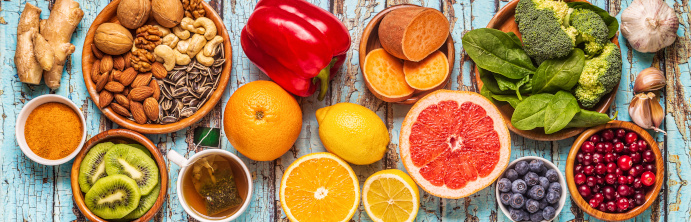
Fatty fish such as salmon, mackerel, and sardines, are rich in omega-3 fatty acids, which are crucial for brain function and have been shown to reduce symptoms of depression.
Dark chocolate contains several compounds that boost mood, including flavonoids, caffeine, theobromine, and tryptophan. These substances stimulate the production of endorphins and serotonin, which are neurotransmitters that promote happiness and relaxation.
Fermented foods such as yogurt, kefir, sauerkraut, and kimchi, are rich in probiotics that promote a healthy gut microbiome, which is increasingly linked to improved mood and reduced anxiety.
Berries are high in antioxidants that reduce oxidative stress and inflammation, both linked to mood disorders. They also provide vitamins and minerals that support brain health.
Nuts and seeds contain healthy fats, protein, fiber, and important vitamins and minerals like magnesium, which is known to improve mood and reduce anxiety.
Leafy greens, like spinach, kale, and Swiss chard, are high in magnesium, folate, and iron, all of which are important for brain health and reducing fatigue.
Whole grains provide a steady source of energy and are rich in B vitamins, which are essential for brain health and the production of serotonin.
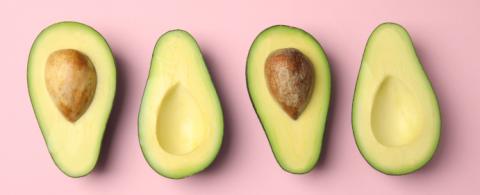
Avocados, packed with healthy fats, B vitamins, and folate, all of which are important for brain health and the synthesis of mood-regulating neurotransmitters.

Bananas are rich in vitamin B6, which helps synthesize neurotransmitters like dopamine and serotonin. They also contain natural sugars and fiber, providing a quick and sustained energy boost.
Legumes, high in fiber, protein, and essential nutrients like folate, magnesium, and zinc, help in maintaining stable blood sugar levels and supporting neurotransmitter function.
What foods might bring you down?
Certain foods can negatively impact mood, leading to mood swings, anxiety, and depression when consumed in excess:
- Sugary foods can cause rapid blood sugar fluctuations, resulting in irritability and fatigue.
- Highly processed foods, rich in unhealthy fats, sodium, and additives, can contribute to inflammation and poor brain health.
- Trans fats, found in many fried and baked goods, are particularly harmful, increasing the risk of depression.
- Artificial sweeteners like aspartame have been linked to headaches and mood swings.
- Excessive alcohol consumption, while initially relaxing, can disrupt neurotransmitter balance and lead to mood disorders.
- High-sodium foods can increase stress levels and cause physical discomfort, affecting emotional well-being.
- Too much caffeine can lead to anxiety and sleep disturbances, which can worsen mood disorders.
- Highly refined carbohydrates, such as white bread and pastries, can lead to rapid blood sugar spikes and drops, causing irritability and fatigue.
- Log in to post comments