
You might be surprised to learn that children's money habits are formed at an incredibly young age. In fact, research by the University of Cambridge has found that many children form the money habits that can stay with them a lifetime by the age of seven!
These habits can include how they value money, make spending decisions, and whether they are more likely to be savers or spenders when they reach adulthood.
As is the case with many things in life, children learn these habits from witnessing and experiencing things going on around them as they grow up. As a result, children in a household where money is discussed and managed well are far more likely to grow up to be better with money than those growing up in an environment where money is a source of tension, not discussed, or simply poorly managed.
Fortunately, it is possible to help shape our children’s money habits from an early age. This can help ensure they develop the skills and mindset to be good with money as they go through life. Achieving this needn’t be dull! With a bit of time and effort, learning about money can become an exciting adventure that can transform everyday activities into engaging and memorable experiences. So, let’s look at why it’s important for children to learn about money and explore some ways to make learning about money fun.

Why It’s Important for Children to Learn About Money
It Builds a Foundation for Financial Independence
Imagine giving your child the keys to their very own treasure chest. Teaching children about money is like handing them a map to lifelong financial independence. Children who understand the value of money, saving, budgeting, and investing will be better equipped to manage their money and avoid financial traps when they grow up.
It Develops Good Money Habits
Good habits start young! Teaching kids about money helps them develop smart spending and saving habits. They’ll learn why it’s important to set aside a portion of whatever money they receive, prioritise how they spend money, and understand the difference between needs and wants. These habits can lead to better money habits throughout life.
It Helps Them Understand the Value of Hard Work
Children who learn that money needs to be earned, rather than it growing on a money tree, tend to appreciate the value of hard work. Whether they earn money by doing household chores, a part-time job, or through their own enterprise, this knowledge can help motivate them to work towards their financial goals and value the money they earn.
It Promotes Critical Thinking and Decision-Making
Managing money involves making choices and understanding consequences. Teaching children about money from an early age helps them develop critical thinking and decision-making skills as they learn how to weigh up their options and consider the long-term impact of their money decisions—useful skills in all areas of life as they grow up.

It Prepares Them for Real-World Adventures
Learning about money matters as a child is like a training ground for the real world. From managing student loans to navigating credit scores and understanding taxes, financial education helps make children better prepared to tackle the adult world with confidence and competence.
How Can I Make Learning About Money Fun?
Start With a Treasure Hunt
Turn learning about coins and banknotes into a treasure hunt! Hide coins around the house and give clues to find them. Once all the coins are found, sit down together and talk about their value and how they can be combined to swap into banknotes. Then explain how they could be used and what they could buy. This game is a fun way to introduce the basics of money.
Create a Family Savings Jar
Introduce saving as a concept with a family savings jar. Set a goal, like a family outing or a new board game, and work together to fill the jar. Every time someone contributes, they can add a sticker or draw a picture on the jar. Watching the pot fill up over time and reaching the goal together makes saving exciting and rewarding.
Sell Old Toys, Books, And Clothes Together
A great way to help children understand the value of money is to sell toys, books, and clothes which are no longer used or needed, with the money you raise used to buy new things. This not only gets rid of things your child no longer needs or uses, but it can help instil in them the concept that everything has a different value and the delayed gratification of accumulating money from your sales to buy something new.
Introduce Pocket Money with a Twist
Give children pocket money each week in exchange for completing a list of fun and challenging chores. Create a chore chart with how much they can earn from doing different tasks such as “clean your room,” “mop the kitchen floor,” or “water the plants.” This enables children to learn to earn money through effort and responsibility.
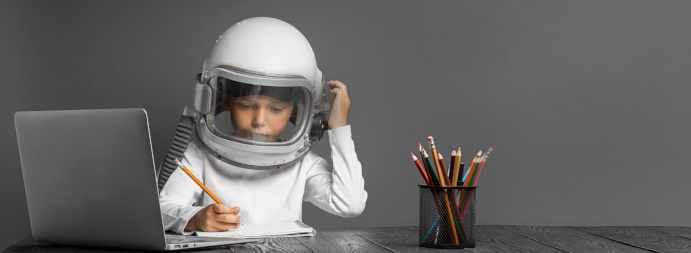
Encourage Their Entrepreneurial Spirit!
Support your child’s entrepreneurial spirit with projects to make and sell things such as cakes or craft items. This can help teach them valuable lessons on budgeting, marketing, and customer service and is a great way to help them set and achieve financial goals while having fun!
Make Budgeting a Family Activity
Turn budgeting into a game by planning a family event on a budget. Give each child a budget and let them plan their part of it, such as what snacks or decorations or activities they will organise. This hands-on experience will help them understand the importance of budgeting, planning, and prioritising what we spend, whilst reinforcing the concept that everything has a cost, and compromises sometimes have to be made.
Lead by Example
As we have mentioned, children learn so much by observing us adults, so lead by example and show them good financial habits in your daily life. Be open with them and discuss your family finances, show them how you budget, save, and make decisions on what you do or don’t buy. Involving them in these conversations reinforces the lessons you’re teaching and shows them good money habits in practice, which they will hopefully pick up.
Teaching children about money doesn’t have to be boring; it can be exciting and fun. With a little bit of planning and thought, you can help your children develop essential money skills that will serve them throughout their lives. Remember, every penny they save and every lesson they learn today will help pave the way for them to be better with money in the future. So, draw up a treasure map, set up a mini-shop, and let the financial fun begin!
Remember, your investments can go up and down and you could end up with less than you started with. Past performance does not guarantee future results. The information provided is financial guidance and should not be considered financial advice.
- Log in to post comments